A Step-by-Step Take A Look At the Installation Refine of Welding Examination Techniques
Welding evaluation is a vital procedure that assures structural integrity and security. The installment of assessment techniques involves a number of systematic actions, each important to accomplishing dependable outcomes. From preparation and tool selection to carrying out visual and non-destructive tests, each phase demands mindful focus. Recognizing these treatments can substantially enhance top quality assurance in welding tasks. What challenges develop in executing these methods, and exactly how can they be successfully dealt with?
Comprehending the Relevance of Welding Assessment
Welding inspection is a vital element of ensuring structural integrity and security in construction and manufacturing processes. This practice involves examining welded joints for defects, making certain that they fulfill certain standards and laws. By systematically evaluating weld high quality, inspectors can determine concerns such as splits, spaces, and insufficient blend, which can compromise the strength and durability of frameworks.
The value of welding evaluation expands past immediate safety issues; it assists prevent pricey failures and possible hazards in the lengthy term. Reliable evaluation strategies foster conformity with market requirements, therefore enhancing the total integrity of welded parts. Additionally, a robust examination procedure adds to keeping the credibility of suppliers and contractors, as it guarantees clients of the top quality of their tasks. Inevitably, recognizing the value of welding examination is critical for promoting safe building methods and guaranteeing the durability of essential framework and products.
Picking the Right Tools for Assessment
When choosing the ideal tools for examination, it is important to contemplate the specific needs of the welding procedure and the materials involved. Various assessment approaches, such as aesthetic, ultrasonic, and radiographic screening, require distinctive devices tailored to their special demands. For visual evaluations, tools like amplifying glasses and calipers are vital for evaluating weld quality. Ultrasonic screening needs specific tools with the ability of transferring and receiving audio waves to identify internal problems. Radiographic screening, on the other hand, utilizes X-ray or gamma-ray resources along with sensitive film or digital detectors to reveal incongruities.
Additionally, personal protective devices (PPE) is vital to ensure the safety of assessors throughout assessments. Picking the right tools not just improves the precision of examinations but also adds to the total integrity and safety and security of the welding job. Subsequently, a thorough understanding of offered devices and their applications is vital for reliable welding inspection.
Getting ready for the Assessment Refine
Prior to starting the examination procedure, it is important to develop a thorough plan that lays out the scope and purposes of the evaluation. This plan needs to consist of particular standards that define what constitutes acceptable high quality in the welding job being checked. Identifying the pertinent codes and requirements is vital, as they will guide the examination standards and methodologies.
In addition, personnel associated with the inspection has to be properly educated and accredited in welding examination strategies to ensure reliability and accuracy. A checklist can be beneficial in organizing the numerous aspects of the inspection, ranging from equipment preparedness to environmental conditions that can affect the assessment.

Finally, logistical considerations such as scheduling, readily available sources, and interaction between staff member should be resolved. By preparing methodically, examiners can boost the efficiency of the evaluation and guarantee that all crucial factors are duly considered prior to continuing with the evaluation itself.
Conducting Aesthetic Assessments

Carrying out visual inspections is an important action in the welding assessment process, requiring mindful prep work to guarantee reliable assessment. Examiners must know with essential issue indicators that can indicate possible concerns in weld top quality. By concentrating on these elements, one can improve the general integrity of the inspection end results.
Planning For Visual Examination
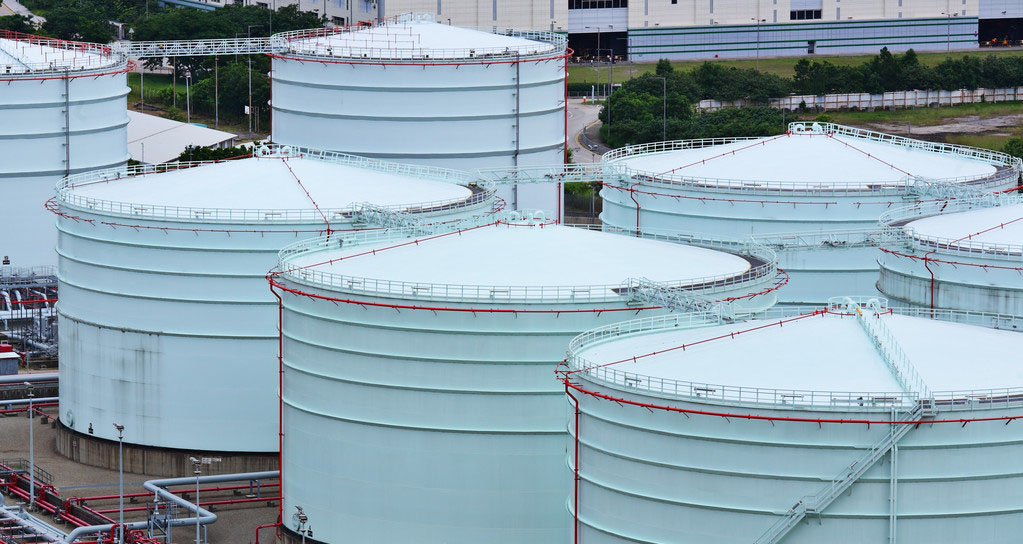
Visual inspection acts as a critical very first step in the welding examination procedure, guaranteeing that any prospective problems are identified early (API 650 Welding Inspection). Proper preparation is necessary for effective visual examination. Assessors ought to begin by assessing appropriate documents, consisting of welding treatments and specs, to understand the project requirements. They need to gather needed tools, such as multiplying glasses, flashlights, and suitable personal safety devices (PPE) An extensive assessment of the examination area is crucial; assessors should confirm it is cost-free and clean of obstructions. Furthermore, it is very important to establish optimal illumination conditions to improve visibility of welds. By taking these primary steps, assessors can produce an environment helpful to identifying discrepancies and assuring the honesty of the welded frameworks
Secret Flaw Indicators
A comprehensive understanding of essential problem indicators is vital throughout aesthetic assessments to ensure the high quality and security of welded joints. Inspectors must focus on particular signs such as fractures, porosity, damages, and incomplete fusion. Fractures might show up as sharp lines and can jeopardize structural stability. Porosity materializes as tiny openings that can deteriorate weld stamina. Undercuts, which are grooves along the weld side, can lead to anxiety concentration. Incomplete fusion indicates that the weld steel did not properly bond with the base product, causing a weak joint. By systematically determining these problems, assessors can identify compliance with market criteria and improve the overall integrity of welded frameworks, ultimately adding to much safer operational conditions.
Carrying Out Non-Destructive Evaluating Methods

Various non-destructive screening (NDT) techniques are integral to assuring the honesty of welded frameworks without jeopardizing their functionality. These methods allow inspectors to evaluate weld quality and detect problems without creating damage to the materials being reference checked. Typical NDT techniques consist of ultrasonic testing, radiographic screening, magnetic bit testing, and dye penetrant testing. Each method serves a certain objective, resolving various types of flaws such as cracks, porosity, or incomplete fusion.
Carrying out NDT strategies requires an organized technique, beginning with choosing the suitable technique based upon the materials and the nature of the weld. Training workers in these methods is crucial for exact outcomes. Furthermore, establishing clear procedures and criteria warranties uniformity throughout the inspection procedure. By incorporating NDT right into the welding assessment workflow, companies can boost the reliability of their items while decreasing potential threats linked with structural failures. This positive technique ultimately adds to maintaining safety and security and high quality requirements in welded building and constructions.
Documenting and Evaluating Assessment Results
Reliable see this documents and analysis of evaluation results are essential components of the welding inspection procedure. Accurate records of inspection searchings for function as a reference for high quality guarantee and conformity with sector standards. API 650 Welding Inspection. Inspectors need to make use of organized forms or digital platforms to log details such as the kind of weld, evaluation techniques employed, and any discrepancies determined throughout the evaluation
When data is accumulated, thorough evaluation is essential. This entails contrasting results versus established requirements to determine patterns or repeating problems. Statistical devices may be employed to quantify flaws and analyze their influence on overall weld high quality.
Reliable interaction of findings to appropriate stakeholders is essential. Records and summaries ought to be clear and concise, highlighting vital understandings and suggestions for restorative actions. By methodically examining and recording inspection outcomes, companies can cultivate constant renovation in welding practices and boost product honesty.
Frequently Asked Inquiries
What Credentials Are Required to Come To Be a Welding Assessor?
To end up being a welding examiner, one usually needs appropriate accreditations such as AWS CWI, in addition to experience in welding practices, knowledge of welding codes, and efficiency in examination strategies to ensure quality and safety and security criteria.
Exactly How Often Should Welding Inspections Be Performed?
Welding examinations should be conducted regularly, commonly after each weld is finished, and regularly during jobs. Aspects such as task intricacy, industry criteria, and regulative demands can influence their explanation the regularity of these assessments.
What Is the Price of Welding Evaluation Solutions?
The expense of welding examination solutions varies significantly based on variables such as job location, size, and complexity. Typically, costs range from $100 to $150 per hour, with added charges for specialized screening and accreditations.
Exist Certifications for Welding Inspectors?
Yes, there are different certifications for welding examiners, including those provided by the American Welding Culture (AWS) and the International Institute of Welding (IIW) These certifications guarantee inspectors possess the essential skills and expertise for effective assessments.
How Do I Choose an Assessment Service Supplier?
To choose an evaluation provider, one ought to evaluate certifications, experience, industry credibility, and client evaluations. Furthermore, comparing solution offerings and pricing can aid guarantee the selected provider fulfills details task needs successfully.
Furthermore, personnel included in the inspection has to be adequately trained and licensed in welding examination techniques to assure integrity and accuracy. Performing aesthetic inspections is a necessary action in the welding inspection procedure, calling for careful preparation to guarantee reliable assessment. Visual assessment serves as a crucial initial step in the welding examination procedure, ensuring that any type of prospective flaws are recognized early. Reliable documents and evaluation of inspection results are important parts of the welding examination process. Welding examinations ought to be performed consistently, normally after each weld is completed, and periodically throughout tasks.